

Fever in the returning paediatric traveller

Warning
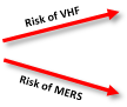
  1. ASSESS VHF risk (HERE) and
    MERS risk (HERE)

Follow VHF pathway

Discuss with Paediatric Infectious Diseases Consultant On Call

Follow MERS pathway


2. History

  • Location travelled to and specific up to date risks including malaria: https://travelhealthpro.org.uk/countries
  • Purpose of visit, specific dates of travel, urban or rural visits including specific areas/cities and how long spent there
  • Pre travel check - ?vaccinations ?antimalarial prophylaxis
  • Prophylaxis compliance
  • Fever: timing, onset, frequency
  • Unwell whilst travelling
  • Unwell contacts – those they visited or travelled with unwell? Any outbreaks in accommodation? Any contact with those with chronic cough or haemoptysis?
  • Food sanitation and hygiene: bottled water? Street food? Unpasteurised milk?
  • Specifics: safari, farms, caves, freshwater contact including swimming, animal/insect bites, admission to hospital, funerals, sexual activity
  • Consider incubation periods

Above all in addition to full standard paediatric history

3. Examination


Examination findings:

May be suggestive of:

General assessment

  • Features of shock, sepsis, haemorrhage
  • Typhoid fever, Meningococcal sepsis, Malaria, Dengue, Viral Haemorrhagic Fever (VHF)

ENT + Eyes


  • Bilateral conjunctivitis, epistaxis, subconjunctival haemorrhages
  • Measles, VHFs, Leptospirosis, Dengue, Zika
  • Lymphadenopathy
  • TB, rickettsiae, brucellosis, visceral leishmaniasis

Respiratory


  • Cough, chest x-ray changes
  • TB
  • Respiratory distress or kussmaul breathing
  • Malaria
  • Severe respiratory distress, hypoxia
  • MERS

Neurological

  • Headache, decreased GCS, altered behaviour, meningism
  • Meningitis (consider rare causes – TB, cryptococcal), encephalitis, malaria, African trypanosomiasis, rabies

Abdomen


  • Hepatomegaly
  • Typhoid, leptospirosis, viral hepatitis, visceral leishmaniasis (VL), amoebic abscess, fascioliasis
  • Splenomegaly
  • Malaria, VL, EBV
  • Diarrhoea (+/- bloody)
  • Hep A/E, Cholera, Giardia, Shigella, salmonella, E.Coli, Amoebiasis, Campylobacter

Skin and joints


  • Jaundice
  • Viral hepatitis, malaria, leptospirosis, yellow fever
  • Eschar
  • Rickettsial infection
  • Urticarial rash
  • Acute schistosomiasis, strongyloides
  • Florid maculopapular rash
  • Measles
  • Joint swelling, back pain
  • Chikungunya

REMEMBER

  • Common things are common – don’t forget common infective causes of fever (viral infection, UTI, LRTI) or less common non-infective causes (autoinflammatory, autoimmine, malignancy)
  • ***Beware of false localising features e.g. headache of malaria, breathlessness of meningitis***

4. Immediate management

  • Consider level of PPE required (?transmission route ?High Consequence Infectious Disease such as VHF, MERS) and whether isolation required (standard or negative pressure room in CDU Room 18) ⇨ A-Z pathogens for requirements
  • Treat sepsis or shock (SEPSIS 6 PATHWAY)

5. Investigations

  • Investigate for source of fever. Discuss which specific investigations are clinically indicated with ED Consultant/Paediatric Registrar.
    • Bloods – FBC, glucose, U&E, LFT, CRP, Coagulation screen; depending on history/examination d/w ID if considering other specific diagnostic tests (including HIV screening if appropriate) – may need serum save
    • Cultures – blood, urine, stool (viral & bacterial, ova, cysts, parasites) ** Typhoid is the most common serious infection found in returning paediatric travellers in Glasgow. Have a low threshold for blood culture and 3x stool samples to identify Typhoid **
    • Bacterial and viral throat swabs, measles PCR (see measles guidance)
    • Consider CXR if chest signs/symptoms
    • Consider US Abdomen
    • Consider LP and brain imaging
  • REMINDER: Has the patient been to an area with ANY level of Malaria risk? (https://travelhealthpro.org.uk/countries)

It is essential to specify on lab forms the history, including travel location and dates to ensure appropriate tests are carried out

6. Management

  • Start empirical treatment – may require discussion with ED Senior or Paediatric Infectious Diseases (if considering antibiotics for specific infection e.g. typhoid, discuss with Paediatric ID on call)
  • Discussion with medical paediatric team or paediatric infectious diseases team regarding admission
  • Consideration whether Public Health notification Public Health Scotland - Notifiable Diseases (even if just suspected)
  • Some patients with fever may need to be treated as above but are not ‘returning travellers’ and are in fact new to the country as asylum seekers or refugees. Further considerations are needed for these patients as detailed in Refugee and asylum seeking children and young people: guidelines for use in RHCG

Editorial Information

Last reviewed: 23/03/2026

Next review date: 31/03/2029

Author(s): Dr David Gardiner, ST5 Paediatrics RHCG. Correspondence author: Dr Steve Foster, Consultant in Paediatric Emergency Medicine, RHCG.

Co-Author(s): Previous version: Dr Eleanor Shone (Medical Paediatric Trainee, RHCG); Dr Polly Kenyon (Medical Paediatric Trainee, RHCG).

Approved By: RHCG Emergency Clinical Governance Group, General Paediatric Guidelines Group